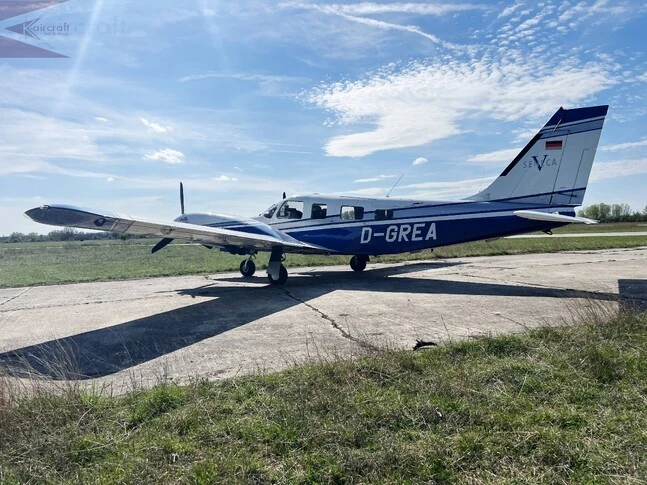
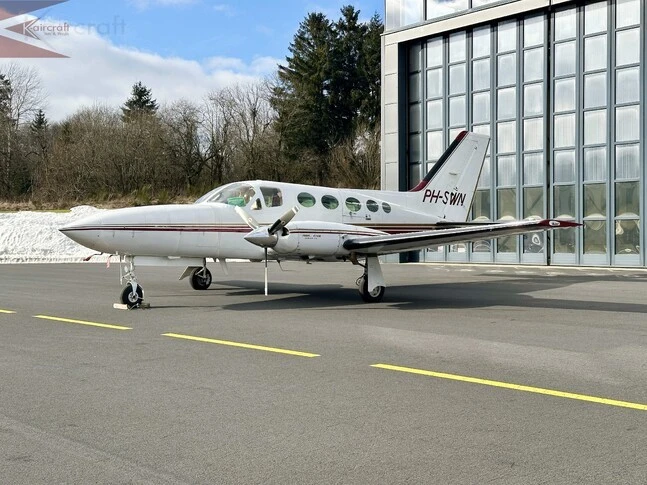
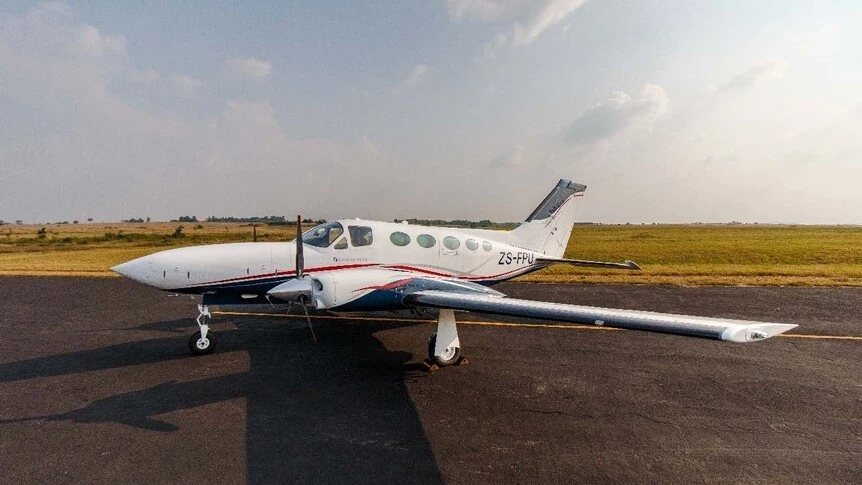
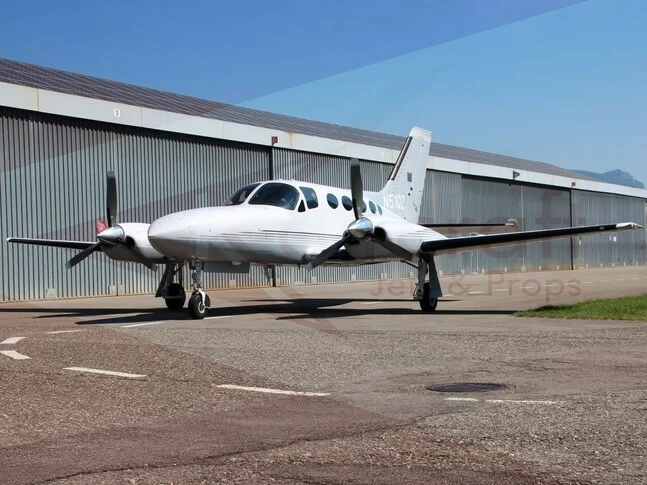
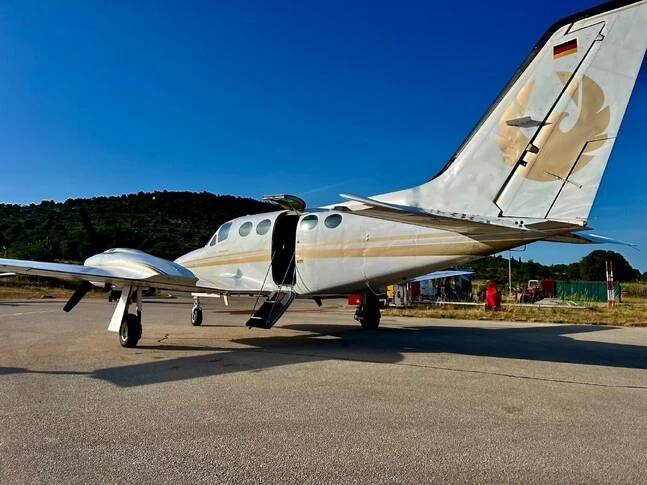
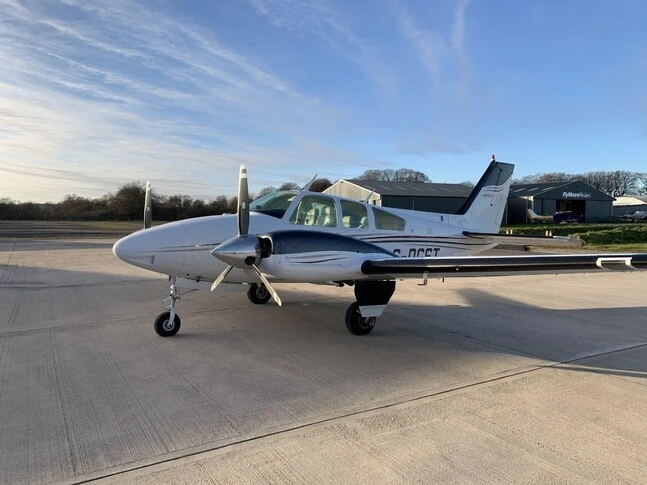
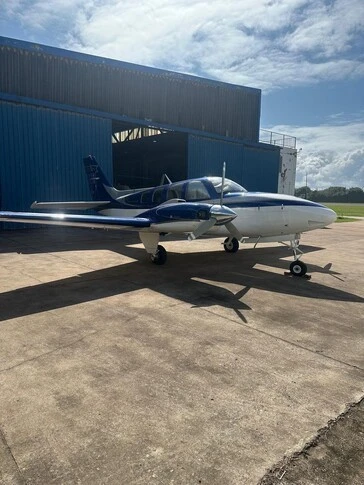
Piston twins occupy a curious place in general aviation. They are faster than singles, carry more, and give you a second engine for over-water and over-mountain comfort. They also cost roughly double a comparable single to own and operate, and demand more pilot proficiency — engine-out training, multi-engine instrument currency and emergency procedures are non-negotiable.
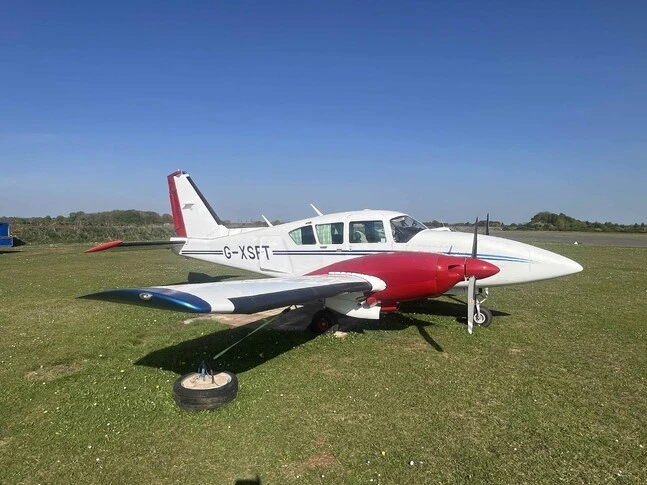
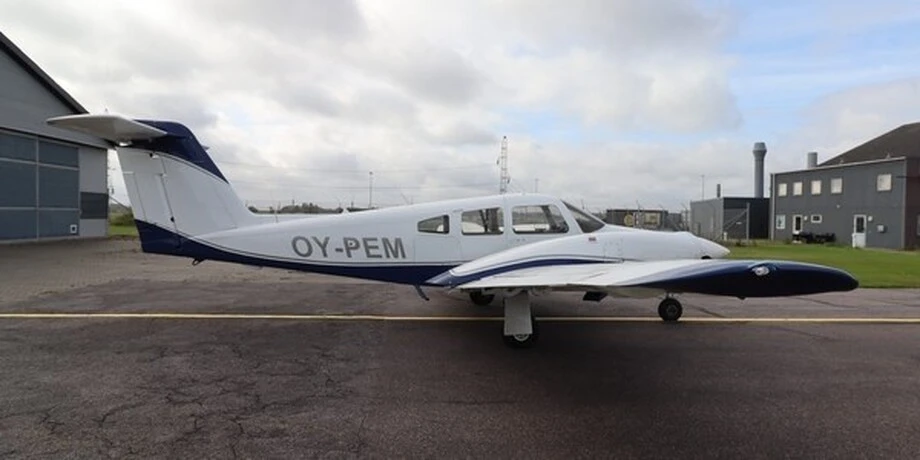
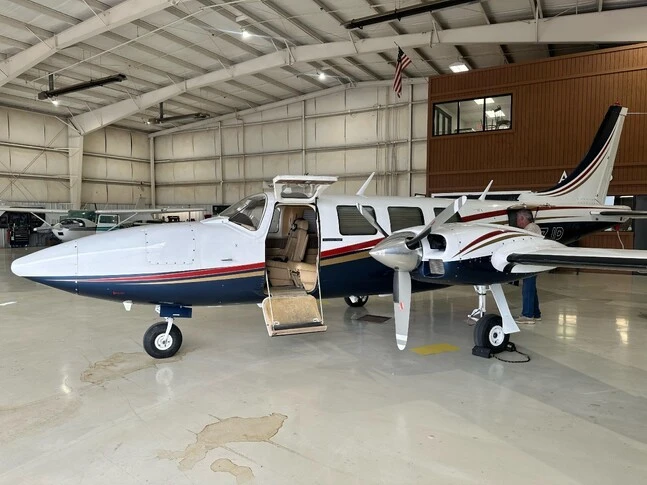
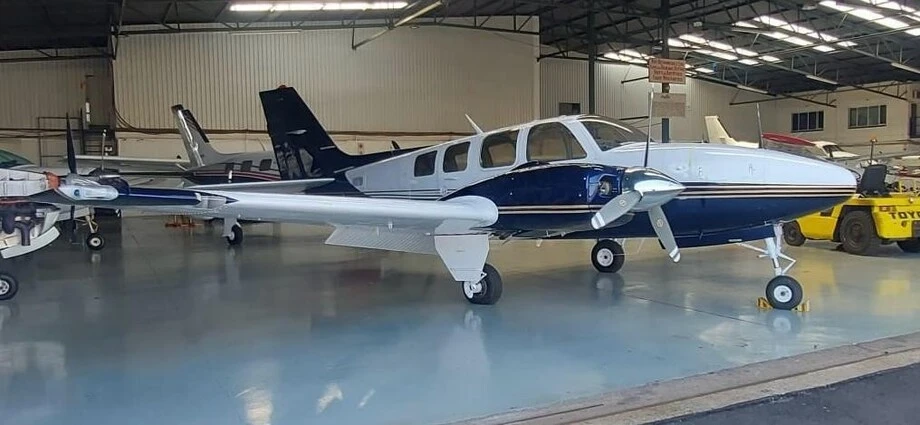
The classic twin market is dominated by airframes designed between 1960 and 1990: Beechcraft Baron, Piper Seneca, Cessna 310, Piper Twin Comanche, Beechcraft Duchess and the iconic Aerostar. Modern twins (Diamond DA62, Tecnam P2006T) are smaller in number but represent the only certified piston-twin production today, and they have changed the operating-cost math dramatically with diesel-powered Jet-A consumption.
On MarketplaceAviation we list twins from owner-pilots, flight schools, and dealers across Europe and North America. Listings include both engines' time since major overhaul, prop time, fuel system condition (notably critical on bladder-equipped twins), and the all-important damage history.
How much does a used piston twin cost?
+
Entry-level classic twins like a 1960s–70s Twin Comanche or older Seneca can be found for \$80,000–\$140,000. A clean 1980s–90s Baron 58 or Seneca V typically trades between \$180,000 and \$320,000. A late-model Baron G58 with G1000 NXi or a Diamond DA62 reaches \$700,000–\$1,200,000.
Is it more expensive to own a twin than a single?
+
Yes — roughly 80–120% more in total cost of ownership. You are running two engines, two propellers, paying multi-engine insurance, doing two oil changes, two annual cylinder inspections, and two major overhauls at half the interval (since each engine accumulates the same hours). Budget at least \$25,000–\$45,000 per year in fixed and direct costs for typical owner-flown use.
Do I need a multi-engine rating to fly a piston twin?
+
Yes — a multi-engine class rating (AMEL in the US, MEP(land) in EASA) is required to act as PIC of any multi-engine piston aircraft. Initial ME training adds typically 10–15 hours of dual flight to a private pilot certificate and costs \$3,000–\$6,000.
Are diesel twins like the Diamond DA62 worth the higher acquisition price?
+
For many owners, yes. The DA62 burns roughly 14–18 USG/h of Jet-A versus 24–30 USG/h of avgas on a Baron — that is half the fuel cost. Jet-A is also more widely available outside the US, more stable in price, and the diesel TBR is typically longer than a piston TBO. The math works out best for owners flying 150+ hours per year over long distances.
 Negotiable